
Leadership Approach
Current Role at Zillow
Overview
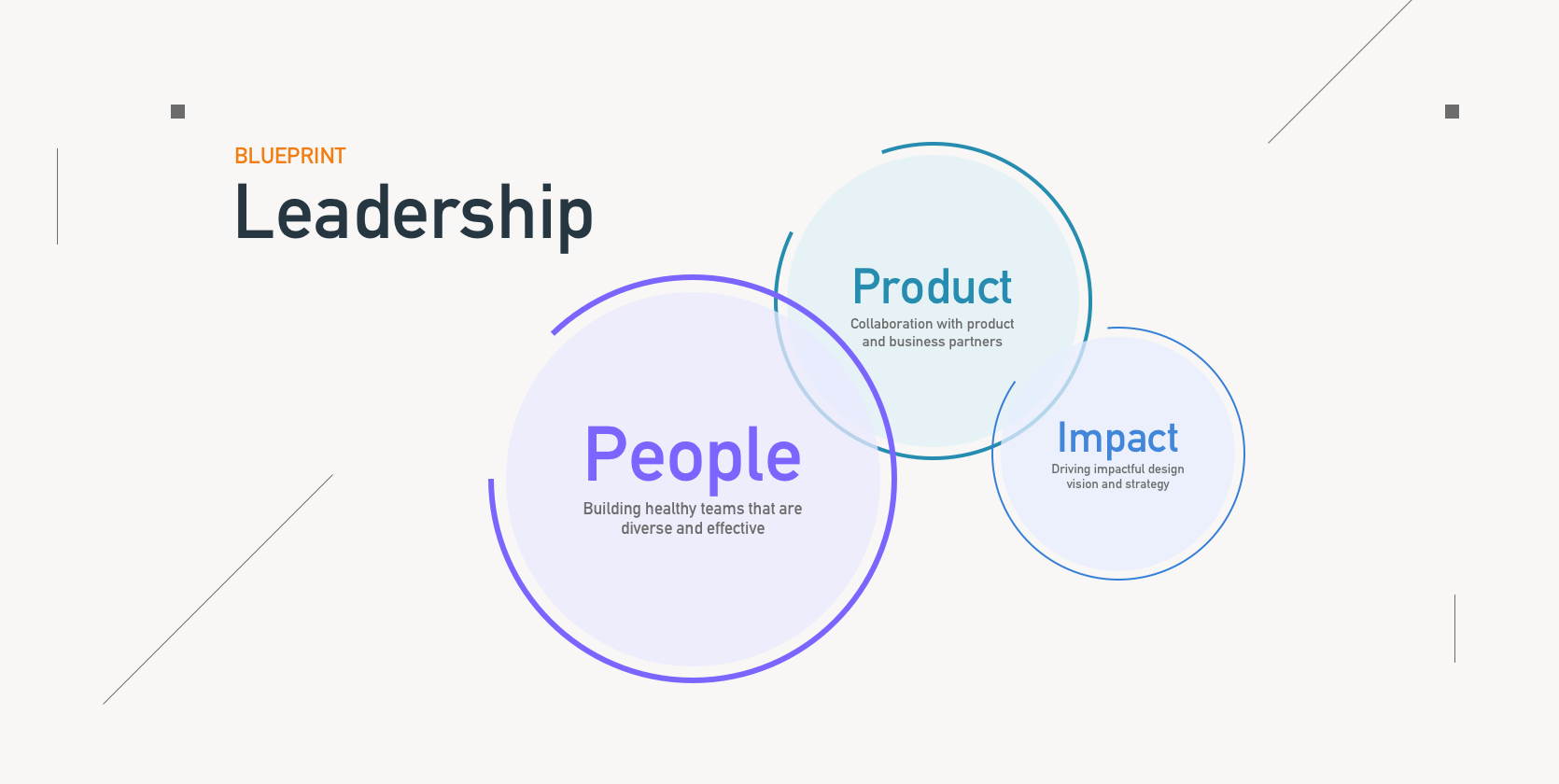
I am fortunate to be given the opportunity to be part of the Zillow Rentals Leadership team leading a 6-person design team and growing it from a team of 2. I oversee end-to-end business verticals that span Shopping, Listing, Applications, Leases and payments, and new exploratory product initiatives. Along the way, I’ve learned a lot about how to build and grow successful teams and drive impactful design vision and strategy through collaboration. I will share in detail some of the philosophies and processes that I’ve used and adopted over the years that have consistently proven to be successful.
Personal Wins
- Successfully lead 2 vision initiatives across the rentals team.
- Grew, advocated, and promoted my designer to a principal role.
- Scaled to a team of 6 and personally responsible for hiring over 8+ designers
- Established opportunities for 2 designers to move internally within the organization
- Driving the cultural shift in the role of designers becoming strategic thought partners
My 6 Leadership Principles
- Good Cop, Bad Cop — “I always tell my designers that they can be the ‘Good Cop’ and I will be the ‘Bad Cop’, and sometimes when there’s a difference in opinion between them and product partners, I can be there to support and advocate for a different perspective. This is really important as I believe the relationship between Designers and Product managers is the most important.”
- People Always First — “Most of the time, the only one that’s looking out for your designers is you. So put them first, because everyone wants to feel cared for and respected. By having a happy team, there’s a high likelihood that it would be more productive and can achieve some amazing things.”
- Transparency is Key — “I believe that transparency creates clarity, and by providing the information you know and are thinking about for your team, you are arming them with information to navigate an ambiguous situation the best they can. That also builds trust with them and allows them to feel included in decisions that are made.”
- It’s okay to be wrong — “Don’t be afraid of failure, and you can only learn when you fail. By looking to gain experience through failing you sometimes realize new opportunities that result from them. As a manager, we make mistakes too, and it’s okay to admit it and learn from that, by showing that we can understand how to be positive about failure, we can only grow to be better versions of ourselves.”
- You don’t have to be a leader to lead — “Leadership is more of an attitude towards problems and people, and I believe that it can come from everyone, this gives people the opportunity to lead within any role so everyone feels empowered to do the best work as a team.”
- Assume positive intent — “In any situation of differences, I believe that everyone is working towards the same goals within the organization. However, we might not fully understand the perspective or context they have. I believe that we should constantly be keeping an open mind and always listening and asking questions to understand and never go on the defensive immediately.”
Building an Awesome Team
Hiring a well balanced team
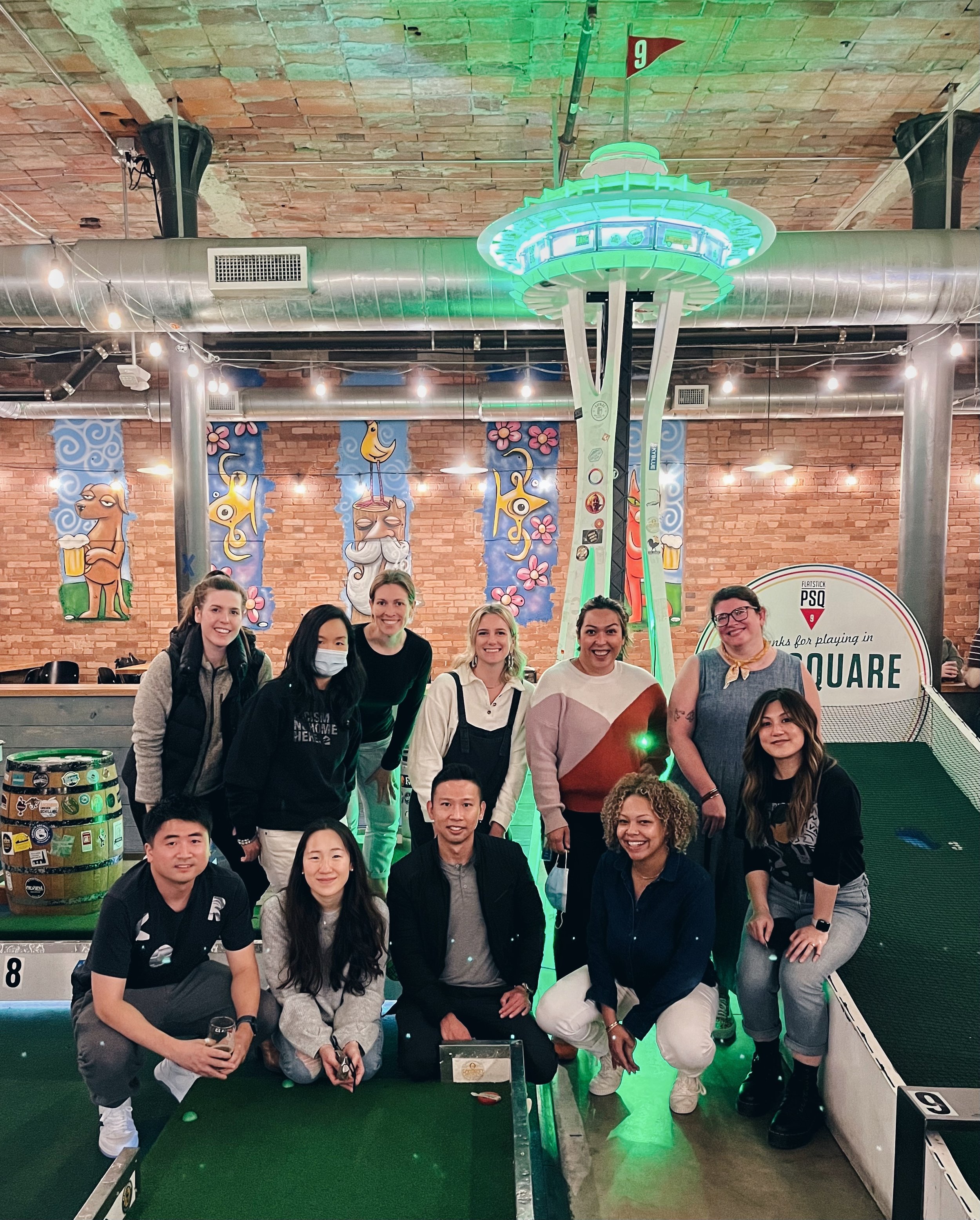
I think of a successful team as not just having 1 individual that can do great work, but a diverse set of people with different skills and perspectives. When I think about hiring, I always ask myself these 5 questions,
- Do they help balance the skills and background of the team?
- Will everyone learn something new from each other?
- Do they contribute to a positive and collaborative culture?
- Can they accomplish the job they are hired for?
- And always at the back of my mind, I’m also thinking if the candidate’s work or interest aligns better with the other teams that are also hiring.
Maintaining a Healthy Team
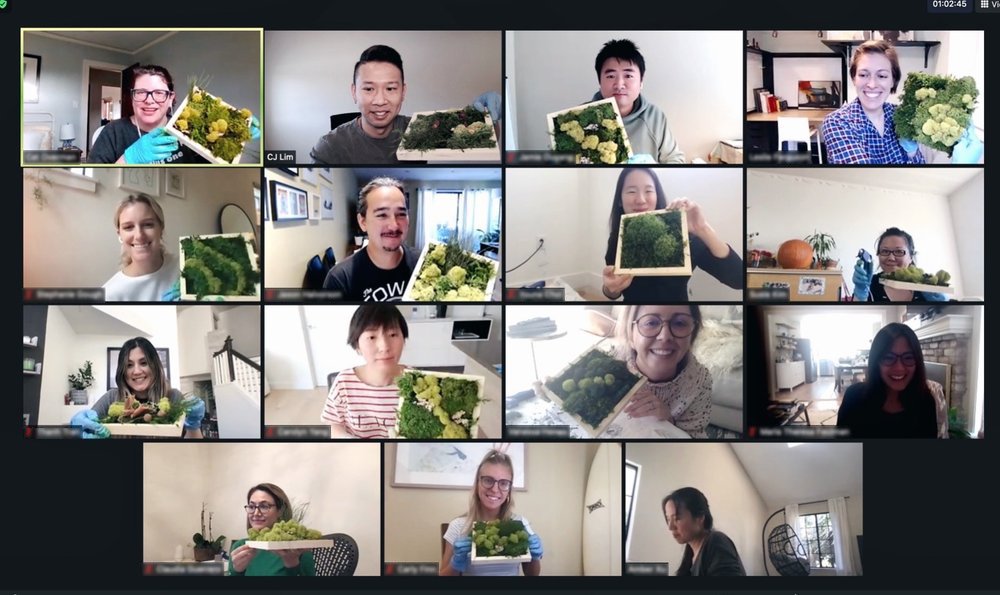
Keeping us connected with remote work
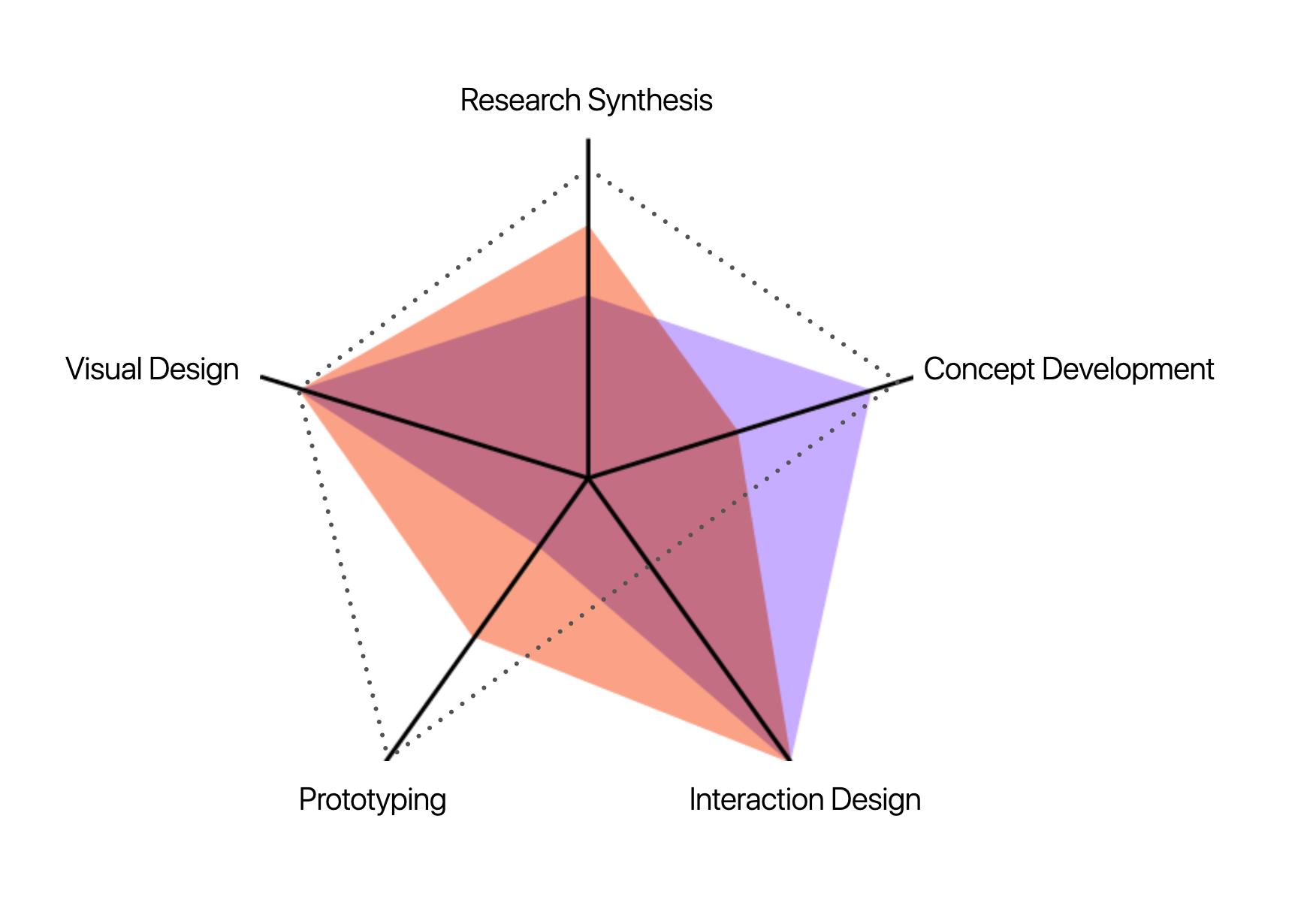
As we moved into a new working norm of a remote work environment, I had to learn that some of the things we take for granted in person, like coffee chats and social time, these really important parts of building a strong healthy team. (I’m still learning)
- Make sure we connect as a team weekly
- Having a culture of transparency and trust
- Being human - Having fun and morale events are important (Especially remotely)
Developing individual talent
Another aspect of team health is making sure the designers know how they are fairing and able to work towards goals to improve themselves in their career, I actively take part in helping define some of the matrices within each level to provide clarity to the designers on areas where they can grow.
- I Set clear goals, quality bar, and expectations to eliminate any ambiguity for them
- I always Encourage ownership and autonomy. (Empower them to make decisions and drive ideas forward)
- I Provide feedback early and often (to maintain a 2-way dialog to drive their personal growth)
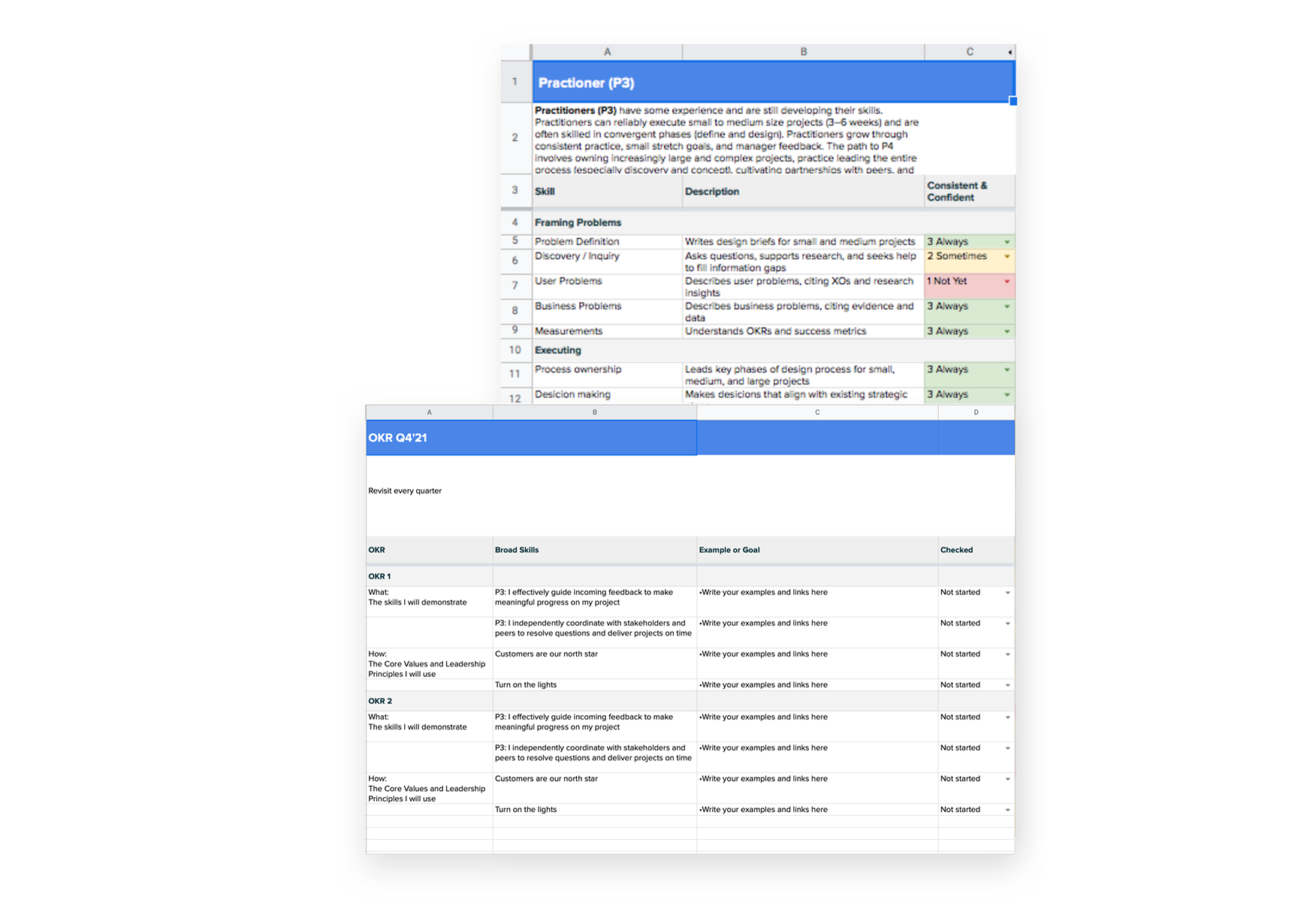
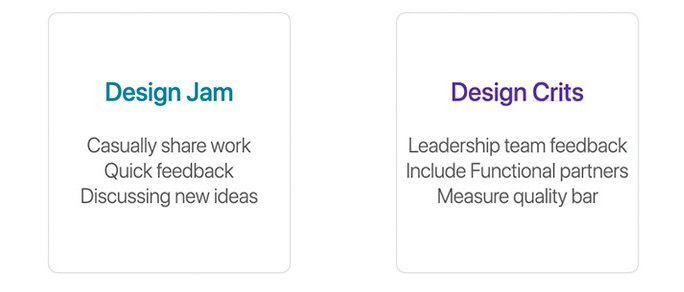
Creating a Culture of Feedback
Most of the time when done wrongly, it usually ends up with designers doing whatever they can to hide from it, even within our teams. However when we can set up the right context and expectations for the ‘feedback’ and approach it with good intentions, the team will feel that through feedback, they learn how each member of the team brings a different skill set, and the team is exponentially improved through open and constructive feedback.
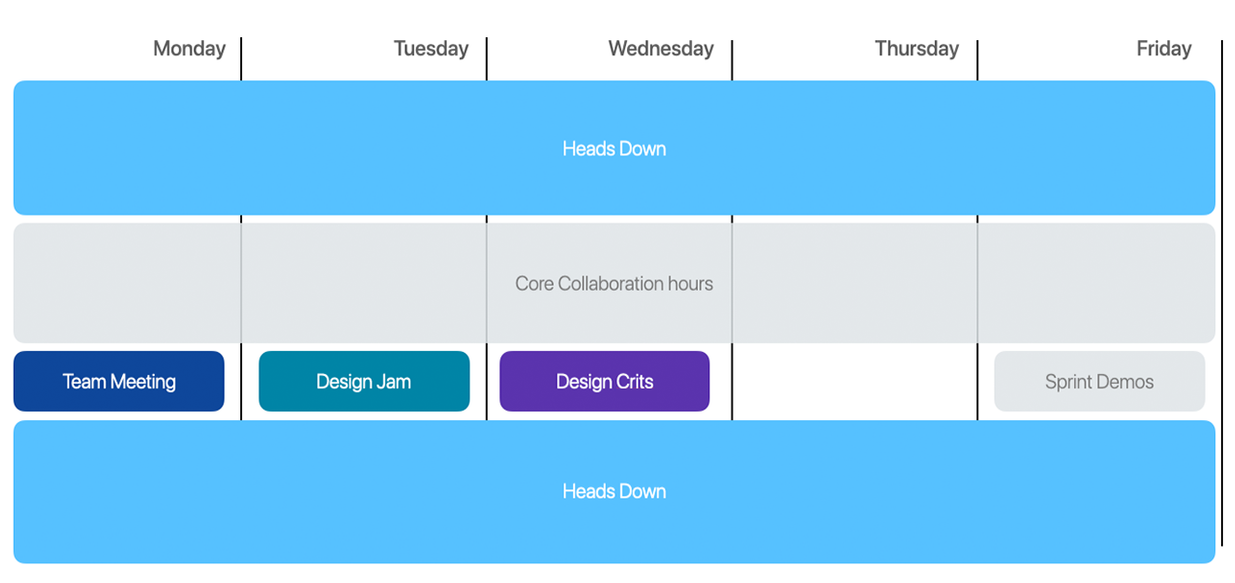
Defining a weekly design Rhythm
It is important especially in a remote setting to make sure there is a consistent Rhythm for the designers to do the best work, and provide the opportunity to explore driving strategic thinking and values through the work by connecting to business and user goals.
20% Rule
I never believe that a designer should be focused 100% of their time on tactical work, that can lead to burnout and a lack of motivation/innovation because they are not given the time to think, as I set priorities every quarter, I make sure to bake in 20% of the time for designers to explore new ideas, help others on the team, or take time off if needed.
Collaborative Process
A collaborative design approach should democratize design, all functions should be along for the ride at each stage of the design process, through the Discover, Define, Concept, Design, and Integrate, and similarly, designers should be part of the Product Manager’s planning and strategy definition. This creates a shared success approach, where everyone feels like equal owners through the process.
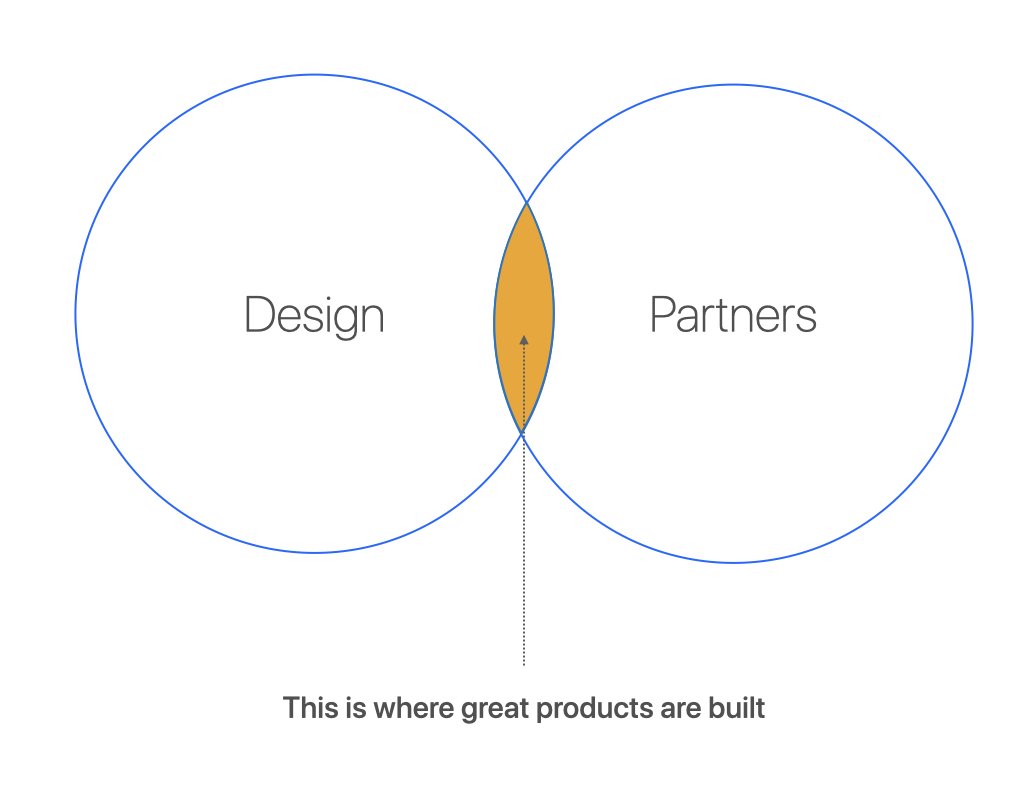
People + Partner = Project Success
What this means is design team is only as strong as the collaboration and partnership built with the Product and Engineering counterparts. I believe that all great products exist because of that intersection, without that it’s just a great idea with no legs.
“Ideas are easy, Execution is everything” - John Doerr
Shifting Mindsets
The True Value of Design
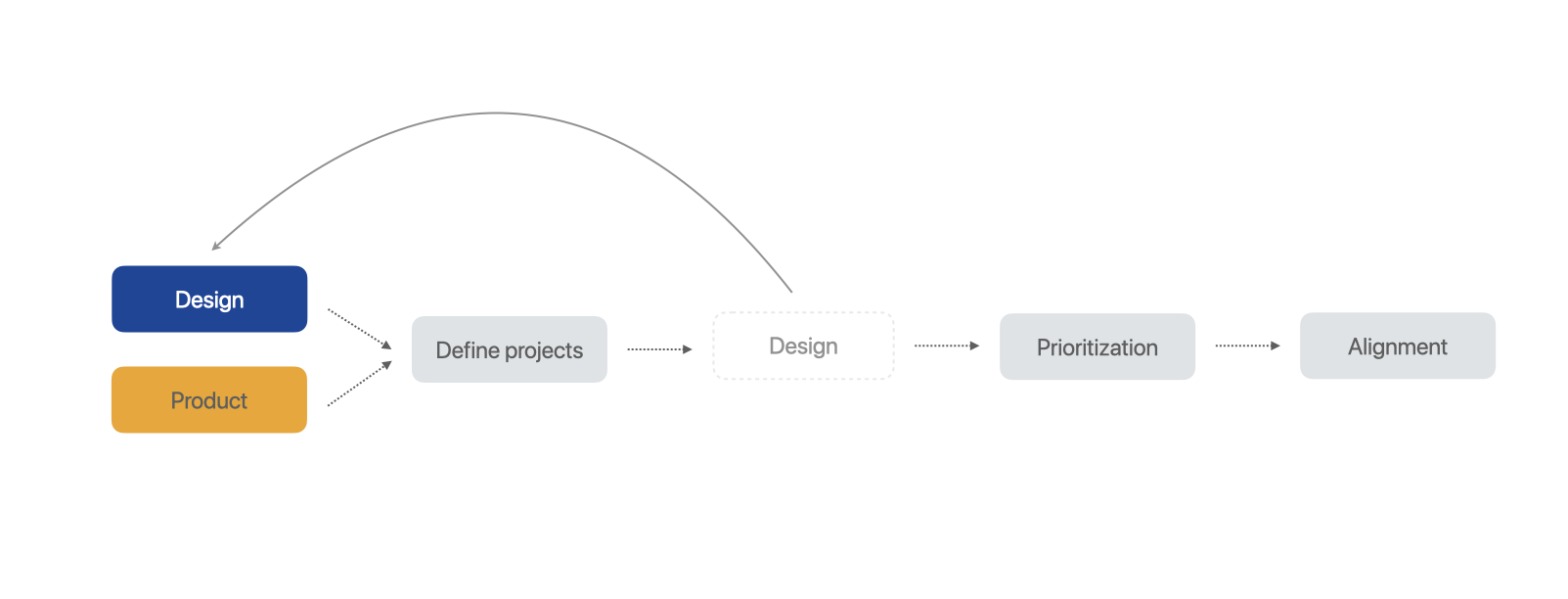
It is a misconception that Designers generate the most value when there is a solution for the designer to design for and execute on defined projects/solutions from the product partners. However, in a collaborative process, designers can add value by helping identify insights and customer needs and working alongside products to define the strategy and projects that will meet the business/user goals.
Delivering great products
Creating a framework for success
Building 0-1 product is a tall order, there are plenty of moving parts and opportunities for failure along the way. But it is also the most rewarding part of seeing it go from a vision to something that is helping customers and the business in a meaningful way. I have created these 4 guiding principles that I believe have helped me navigate the journey.
- Work on a vision that people can rally behind — “A word document that details out plans of what products should be built never gets people excited, instead build out a vision with visuals and prototypes, and teams will be able to see the possibility of what that could be, and soon enough they will be advocating with you to get it built.”
- Make sure to bring everyone along the ride — “If you hide in a cave and show up one day with a design all flushed out and ready to build, it’s probably hard to convince anyone and everyone would have questions about everything. By making sure you share progress along the way and gather feedback, everyone will be aware of the full story once we get to the finishing line.”
- Make it about we not me — “It takes a village to raise a child, in the same way, that it takes Design, Product and Engineering to raise a product, and only if everyone feels that are shared owners of the product will we have success.”
- Breaking it down to bite size chunks — “Shipping a product is like drawing a portrait, if you look at the whole picture, it’s really hard to put the pen down because you won’t know where to start. Breaking down the project to deliverable chucks is like focusing on parts of the portrait and looking at the shapes and drawing them in sections.”
Final thoughts
This isn’t a be all end all takeaway for my leadership approach, I believe in constant growth and learning through my experiences in my work/personal life, and that evolves my thought.